TREATMENTS

Natural Healing Through Ayurvedic Therapies

We provide traditional Ayurvedic treatments designed to heal naturally, improve circulation, reduce stress, and promote overall health and vitality.

OUR SERVICES

With our cutting-edge techniques and advanced cosmetic procedures, we strive to bring out your unique beauty and help you shine.

Kerala is renowned for the authenticity and tradition of its Ayurvedic treatments. The core principle of Kerala Ayurveda is a holistic and personalized approach to restoring balance between the body’s three fundamental energies, or Doshas (Vata, Pitta, and Kapha), through detoxification, rejuvenation, herbal medicine, diet, and lifestyle changes.

The cornerstone of Ayurvedic treatment in Kerala is Panchakarma (five actions), a complete detoxification and purification therapy, along with specialized Kerala therapies.

Here are the main treatments and their details:

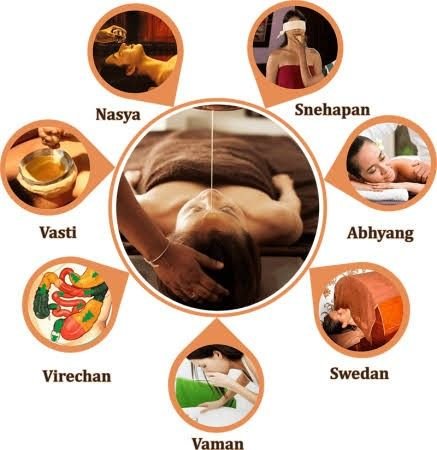
Panchakarma (The Five Actions)

Panchakarma is an intensive, three-stage cleansing process (Purvakarma – preparatory, Pradhanakarma – main treatment, and Paschatkarma – post-treatment care) designed to eliminate deep-seated toxins (Ama) and restore the balance of the Doshas.

Procedure

Purpose

Detail

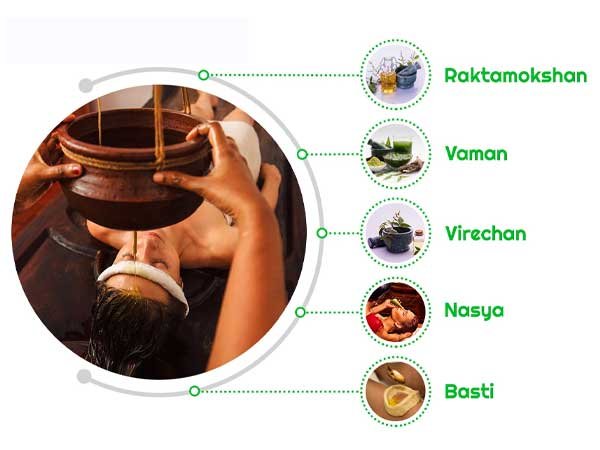
Vamana

Therapeutic Emesis (vomiting)

Removes excess Kapha (mucus, fluid) toxins from the upper respiratory and gastrointestinal tract. Indicated for conditions like asthma, allergies, and chronic skin diseases.

Virechana

Therapeutic Purgation (laxative)

Cleanses the bowels and eliminates excess Pitta (fire, metabolism) toxins. Involves supervised administration of herbal purgatives. Indicated for liver, spleen, and intestinal issues, and some skin disorders.

Basti

Medicated Enema

Considered the most important therapy, especially for balancing Vata (air, movement). Uses medicated oils or herbal decoctions administered rectally to cleanse the colon and nourish the tissues.

Nasya

Nasal Administration

Instillation of medicated oils, juices, or powders through the nostrils. Cleanses the head and sinus area, benefiting conditions like sinusitis, chronic headaches, and some neurological issues.

Raktamokshana

Bloodletting

Used selectively for conditions originating in the blood, like certain skin disorders. Involves controlled removal of a small amount of impure blood using tools, needles, or even leeches.

Special Kerala Ayurvedic Therapies

In addition to Panchakarma, Kerala has developed unique therapeutic procedures, often involving external application of medicated oils and poultices.

Therapy

Detail

Primary Benefits

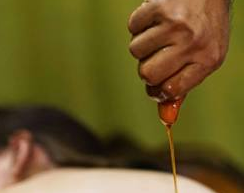
Pizhichil (Oil Bath Therapy)

A continuous, rhythmic pouring of warm, medicated oil over the entire body, followed by a gentle massage.

Highly rejuvenating, strengthens nerves, relieves joint and muscle pain, often used for neurological disorders like hemiplegia and paraplegia.

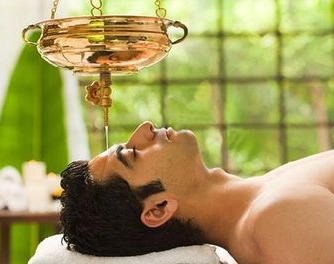
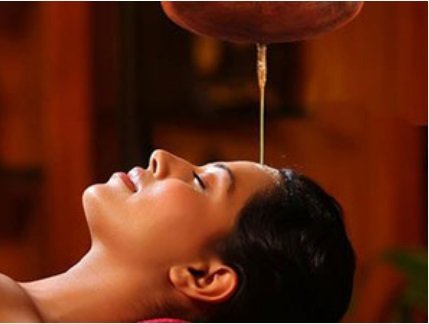
Shirodhara

Continuous, steady stream of warm medicated oil, herbal decoction, or buttermilk poured onto the forehead (the ‘third eye’ area).

Deeply calming for the nervous system, relieves stress, insomnia, anxiety, and chronic headaches, and improves mental clarity.

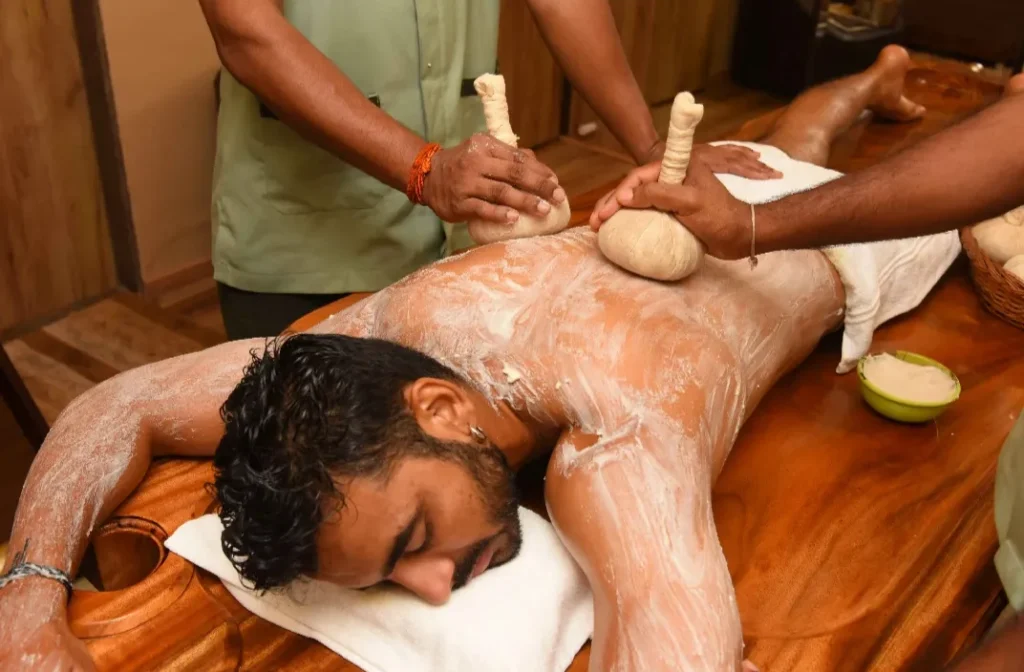
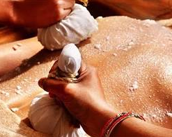
Njavarakizhi

Massaging the body with warm boluses (pouches) containing a special type of cooked rice (Njavara) mixed with medicated milk and decoctions.

A highly nourishing and strengthening therapy, beneficial for muscle wasting, joint pain, neurological problems, and improving skin texture.

Elakizhi (Patra Pinda Swedana)

Massaging the body with warm boluses containing freshly chopped medicinal leaves and herbal powders.

Relieves pain, muscle spasms, inflammation, and stiffness, particularly useful for arthritis and back pain.

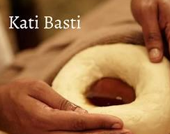
Kati Vasti, Janu Vasti, etc.

Retaining warm medicated oil in a dough ring placed over a specific area of the body (e.g., lower back – Kati Vasti, knees – Janu Vasti).

Alleviates chronic pain, stiffness, and degenerative changes in the localized area.

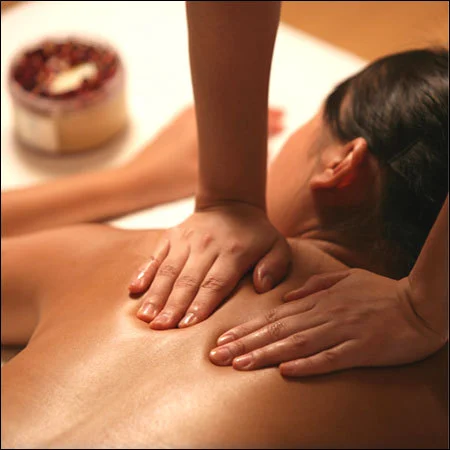
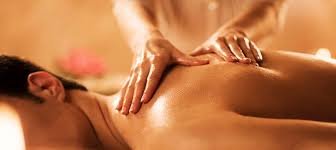
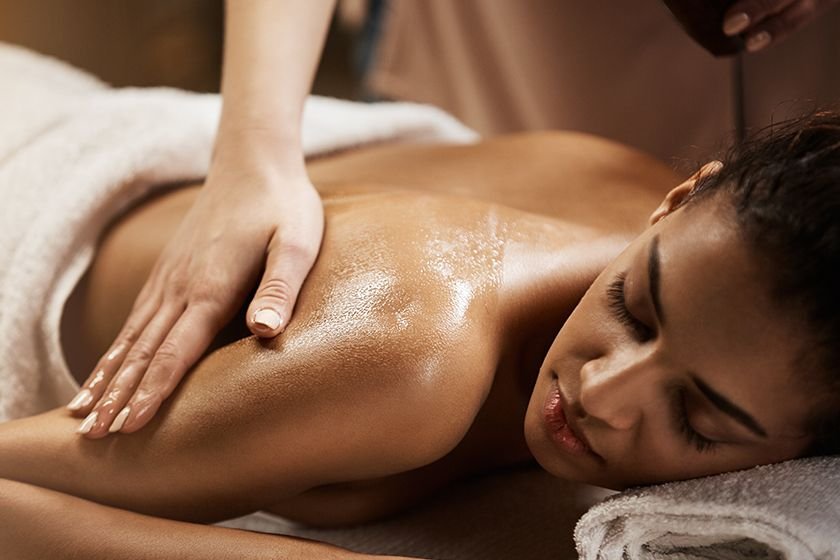
Abhyangam

A full-body massage using warm, medicated herbal oils, applied rhythmically by two therapists.

Improves circulation, nourishes the skin, removes lymphatic toxins, relaxes muscles, and calms the nervous system.

Other Core Components

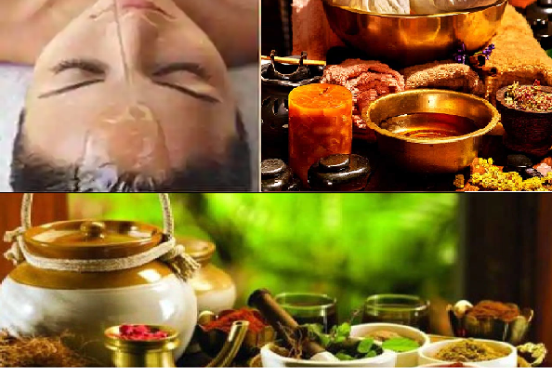
  • Herbal Medicines:Customized herbal formulations, oils, decoctions (Kashayas), medicated ghee (Ghruthas), and tablets (Gulikas) are prescribed based on the individual’s condition and Dosha imbalance.
  • Dietary Guidance:A strict, personalized diet plan (Pathya) is an essential part of the treatment, tailored to the individual’s Dosha constitution (Prakriti) and current imbalance (Vikriti).
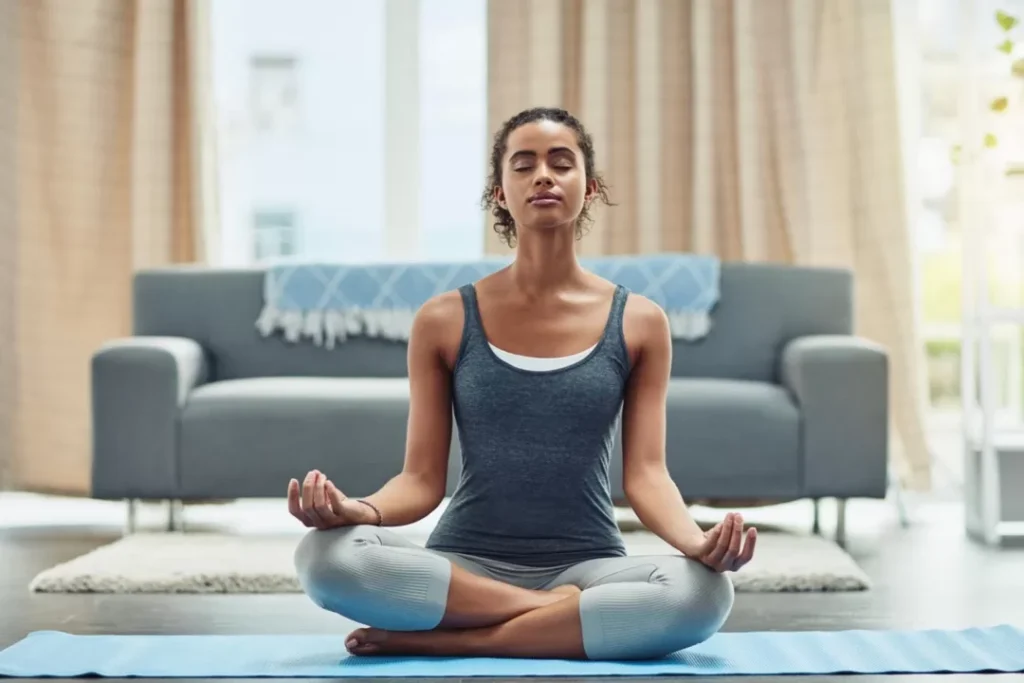
  • Yoga and Meditation:These are integrated to enhance the physical and mental healing process, managing stress and promoting overall well-being.
  • Rejuvenation (Rasayana) & Wellness Packages:These packages focus on general vitality, anti-aging, stress relief, and boosting immunity, often including a blend of the above-mentioned external therapies.

Important Note: All Kerala Ayurvedic treatments, especially Panchakarma, require a detailed consultation with an experienced Ayurvedic physician (Vaidya). The doctor will determine your unique Prakriti and Vikriti to create a treatment plan and duration (often 7, 14, 21, or 28 days) customized just for you.


Pizhichil (The King's Treatment)

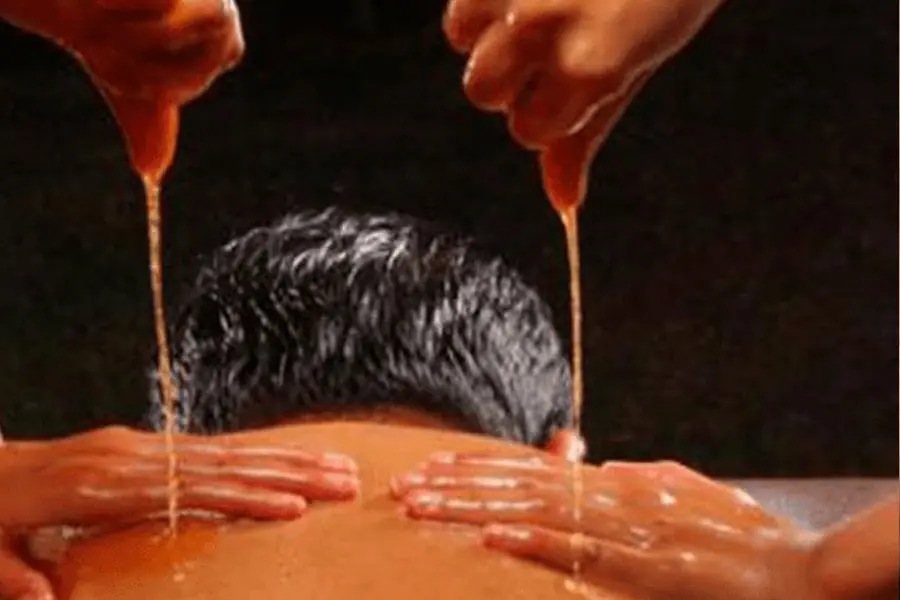
Pizhichil, meaning “squeezing,” is considered one of the most powerful rejuvenating treatments and is often called the “King’s Treatment” due to its ancient use by royalty.

  • Procedure:
    • The patient lies on a Droni(a specialized wooden massage table).
    • One or two therapists continuously and rhythmically squeeze warm, medicated herbal oil from a piece of cloth held above the patient’s body, pouring a continuous stream of oil over the entire body (or affected parts).
    • Simultaneously, the therapists perform a gentle, synchronized, and rhythmic massage as the oil flows.
    • The process combines the benefits of oil application (Snehanam) and heat therapy (Swedanam).
  • Duration:Typically 60 to 75 minutes per session.
  • Key Benefits:
    • Neurological Strength:Highly effective for disorders of the nervous system, including paralysis (hemiplegia/paraplegia), muscle atrophy, and diabetic neuropathy.
    • Joint and Muscle Health:Relieves joint pain, stiffness, and muscle spasms.

Rejuvenation: Deeply nourishes the tissues, boosts blood circulation, strengthens immunity, and promotes anti-aging.

Price: ₹ 2000/-

Shirodhara (The Head Flow)

Shiro means head, and Dhara means flow. This calming therapy focuses entirely on the head and nervous system.

  • Procedure:
    • The patient lies on their back with their head comfortably supported.
    • A special vessel (Shirodhara pot) is suspended approximately 4 inches above the forehead.
    • A continuous, thin, steady stream of warm, medicated liquid is gently poured onto the Ajna Chakra(the third eye point, slightly above and between the eyebrows).
    • The liquid flows across the scalp and is collected below. The therapist may gently swing the pot to ensure the oil covers the entire forehead.
    • The rhythmic sensation has a profound effect on the hypothalamus and pituitary gland.
  • Ingredients Used:
    • Tailadhara:Medicated herbal oils (most common).
    • Takradhara:Medicated buttermilk (often used for Pitta conditions like migraines and psoriasis).
    • Ksheeradhara:Medicated milk (cooling and nourishing).

Price: ₹ 3000/-

Njavarakizhi (The Rice Bolus Massage)

Njavarakizhi is a highly nourishing and invigorating therapy involving the application of cooked medicinal rice.

  • Procedure:
    • Njavara(a special variety of medicinal rice) is cooked in a mixture of herbal decoction (like Bala) and milk until it forms a soft pudding.
    • This mixture is then wrapped tightly into several cotton cloth boluses (Kizhis).
    • The therapists apply warm, medicated oil to the patient’s body.
    • The warm rice boluses are dipped repeatedly into the hot milk-decoction mixture and then quickly and firmly rubbed over the entire body or the affected area in rhythmic strokes.
    • The treatment is nourishing (Brumhana) and induces sweating (Swedana).
  • Duration:Typically 60 to 75 minutes.
  • Key Benefits:
    • Muscle & Nerve Nourishment:Strengthens weak or wasted muscles, making it ideal for conditions like muscular dystrophy, rheumatism, and neurological issues (paralysis).
    • Joint Support:Improves joint mobility, reduces pain, and nourishes the connective tissues.
    • Rejuvenation:Enhances skin texture, lustre, and overall vitality, and is considered an excellent anti-aging treatment.

Price: ₹ 2500/-

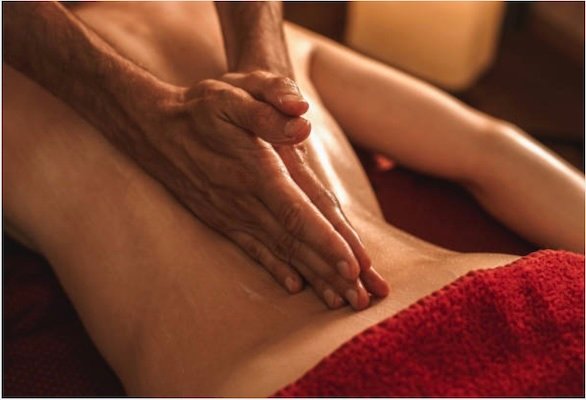
Kati Vasti, Janu Vasti, etc. (Local Oil Pooling)

These are localized Vasti (retention) therapies where warm oil is pooled over a specific area of the body.

  • Procedure:
    • A ring or reservoir is created on the targeted area (e.g., lower back for Kati Vasti, knee for Janu Vasti) using thick dough made from black gram flour.
    • The dough is carefully sealed to the skin to prevent leakage.
    • Warm, medicated herbal oil (chosen for the specific condition, e.g., Mahanarayan Taila) is gently poured into this reservoir.
    • The oil is retained for a specific period (30–45 minutes), with the temperature maintained by replenishing the oil as it cools.
    • The oil is then removed, followed by a gentle massage and sometimes light steam.
  • Key Benefits:
    • Kati Vasti (Lower Back):Alleviates chronic lower back pain, sciatica, lumbar spondylosis, and intervertebral disc issues by strengthening the lumbar muscles and nourishing the spinal nerves.
    • Janu Vasti (Knee Joint):Reduces knee pain, stiffness, and inflammation, beneficial for osteoarthritis and degenerative joint changes.
    • Greeva Vasti (Neck/Cervical Spine):Relieves chronic neck pain, cervical spondylosis, and stiffness.

All these Kerala therapies are generally prescribed as a course of treatments over 7, 14, or 21 days for maximum, lasting benefit.

Price: ₹ 2000/-

Panchakarma treatment and its benefits

That is the most fundamental area of Ayurvedic practice. Panchakarma is not just a treatment; it is a profound biological purification program that systematically eliminates toxins (Ama) and rebalances the three Doshas (Vata, Pitta, and Kapha) at a cellular level.

The process is traditionally divided into three distinct stages:

Purvakarma (Preparatory Procedures)

This stage prepares the body’s tissues to release toxins into the digestive tract, where they can then be expelled.

  1. Snehanam (Internal and External Oleation)
  • External Oleation (Abhyanga):Daily full-body massage with warm, medicated oils. This helps loosen deep-seated toxins in the tissues, nourish the skin, and relax the body.
  • Internal Oleation (Snehapana):The patient ingests increasing doses of medicated ghee (clarified butter) over several days (usually 3 to 7 days). Ghee acts as a carrier to dissolve and move fat-soluble toxins from the deep tissues into the GI tract for expulsion.
  1. Swedanam (Therapeutic Sudation/Fomentation)
  • Procedure:Steam therapy is administered immediately after external Snehanam. This can be a full-body steam (without the head exposed) or localized steaming.
  • Purpose:The heat and steam open the body’s channels (Srotas) and pores, inducing sweating. This liquefies the mobilized toxins and drives them further into the GI tract, preparing them for the main cleansing actions.

Pradhanakarma (Main Purification Procedures)

These are the five principal actions that give Panchakarma its name and therapeutic depth. Each action is designed to eliminate specific toxins and restore internal balance. The physician carefully evaluates the individual’s constitution and current health condition before recommending any procedure. Based on the dominant Dosha imbalance—Vata, Pitta, or Kapha—one or more actions may be selected. This personalized approach ensures safe detoxification, effective healing, and long-term balance rather than a one-size-fits-all treatment.

Action (Dosha Targeted)

Details of Procedure

Primary Purpose

Vamana (Kapha)

Therapeutic Emesis (Vomiting): Administered after a period of preparatory measures. The patient drinks a large quantity of a specific herbal emetic decoction (often using Licorice or Madanaphala). Vomiting is controlled and monitored by the physician.

Eliminates accumulated Kapha (mucus, fluid) toxins from the chest and upper stomach. Indicated for conditions like chronic respiratory diseases, tonsillitis, and specific skin disorders.

Virechana (Pitta)

Therapeutic Purgation (Laxative): A strong herbal purgative (e.g., Senna, Triphala, or Castor oil based) is administered, usually in the morning. The patient experiences controlled, therapeutic bowel movements throughout the day.

Eliminates excess Pitta (heat, fire) toxins from the liver, gallbladder, and small intestine. Indicated for chronic fever, liver disorders, hyperacidity, and many skin conditions.

Basti (Vata)

Medicated Enema: Considered the prime therapy for balancing Vata (air, movement), as the colon is considered the main seat of Vata. It is often performed as a series of treatments over many days.

Cleanses the colon, nourishes the body, and calms Vata. Anuvasana Basti (oil-based) is nourishing, and Niruha Basti (decoction-based) is cleansing. Addresses chronic constipation, pain, arthritis, and neurological disorders.

Nasya (All Doshas in Head)

Nasal Administration: Medicated oils, herbal juices, or powders are administered into the nostrils. The treatment often includes a face/neck massage and light steaming.

Cleanses and purifies the head and sinus passages. Beneficial for headaches, sinusitis, respiratory congestion, and certain eye, ear, and throat disorders.

Raktamokshana (Blood)

Therapeutic Blood Letting: Used rarely and only for specific blood-based disorders. Involves controlled removal of a small amount of impure blood, often using leeches (which secrete an anti-coagulant) or special instruments.

Detoxifies the blood and is indicated for conditions like localized inflammation, abscesses, and chronic skin diseases (if blood-based).

Paschatkarma (Post-Purification Procedures)

This final stage is crucial for allowing the digestive system (Agni) to recover and for the body to transition back to normal life.

  • Samsarjana Krama (Gradual Diet Plan):The digestive fire is extremely weak after cleansing. The diet is reintroduced very gradually, starting with light gruels, moving to thicker porridges, then soft rice and lentils, before returning to a regular diet over several days. This prevents immediate digestive trauma.
  • Parihara (Avoidance):Strict guidelines are given regarding lifestyle:
    • Avoid excessive travel, exercise, and mental stress.
    • Avoid loud talking, late nights, and extreme temperatures.
      • Rasayana & Shamana Therapy:Once the body is clean, the physician may prescribe rejuvenating tonics (Rasayanas) and palliative herbal medicines (Shamana) to rebuild strength, boost immunity, and maintain the Dosha balance achieved during Panchakarma.

      Panchakarma is an intensive medical process that requires complete dedication from the patient and supervision from a qualified Vaidya (Ayurvedic physician).

    • vy, rich, or stimulating foods.
  • Rasayana & Shamana Therapy:Once the body is clean, the physician may prescribe rejuvenating tonics (Rasayanas) and palliative herbal medicines (Shamana) to rebuild strength, boost immunity, and maintain the Dosha balance achieved during Panchakarma.

Panchakarma is an intensive medical process that requires complete dedication from the patient and supervision from a qualified Vaidya (Ayurvedic physician).

Is there a specific condition you are interested in treating with Panchakarma?

can I have different photos of each treatment

I can certainly show you images of the four Ayurvedic treatments.

Here are the photos of Pizhichil, Shirodhara, Njavarakizhi, and Kati Vasti:

Pizhichil (Oil Bath)

Shirodhara (Forehead Flow)

Njavarakizhi (Rice Bolus Massage)

Kati Vasti (Local Oil Pooling)

Schedule Your Appointment Now

Book Your Appointment Online Today